

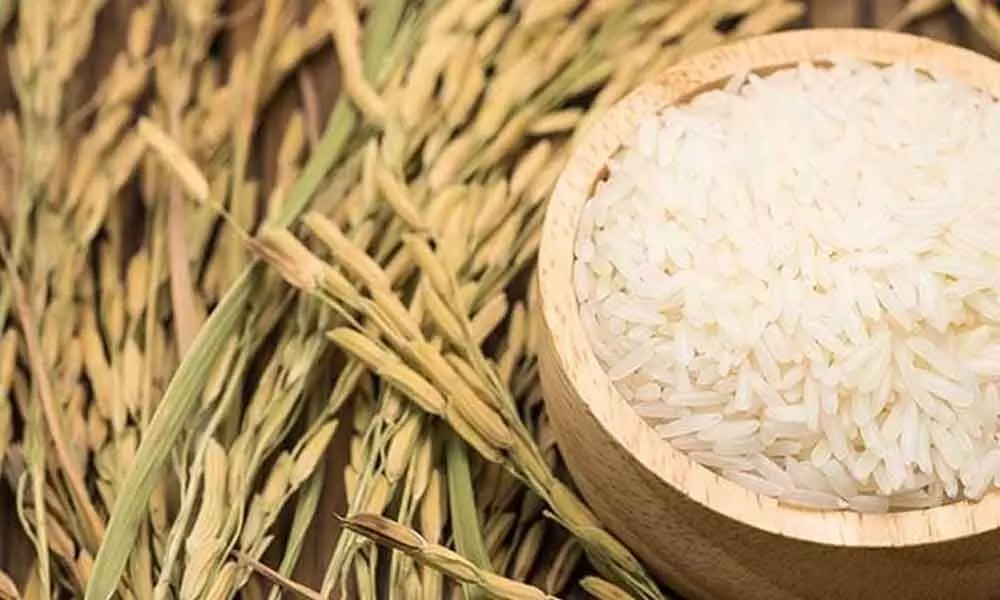
When consumers seek healthier alternatives to conventional grains, organic sweet rice emerges as a nutritious choice that combines distinctive texture with wholesome growing practices. This glutinous variety, cultivated without synthetic pesticides or chemical fertilisers, offers both culinary versatility and peace of mind for health-conscious households navigating today’s complex food landscape.
What Makes Organic Sweet Rice Different
The term “sweet rice” can mislead those unfamiliar with Asian grains. Despite its name, this rice contains no added sugars. Instead, the designation refers to its naturally higher starch content, which creates a sticky, cohesive texture when cooked. The grains cling together, making them ideal for dishes requiring moldable consistency.
Organic certification distinguishes this rice from conventionally grown varieties. Farmers cultivate organic sweet rice following strict agricultural standards that prohibit synthetic chemicals. These practices protect soil health, preserve water quality, and reduce farmworkers’ exposure to potentially harmful substances. The certification process involves rigorous verification, ensuring the rice meets established organic criteria from planting through harvest.
The contrast between organic and conventional farming extends beyond simple chemical use. Organic agriculture emphasises ecological balance, employing crop rotation, natural pest management, and composting to maintain soil fertility. These methods create more resilient agricultural systems, though they often require greater labour investment and yield smaller harvests per hectare.
Nutritional Advantages Worth Considering
Organic sweet rice provides essential nutrients that support overall health. The grain contains carbohydrates for energy, modest protein amounts, and trace minerals including iron and magnesium. Unlike processed white rice, which loses nutrients during milling, quality organic sweet rice retains more of its natural nutritional profile.
Key nutritional components include:
- Complex carbohydrates that provide sustained energy release
- B vitamins supporting metabolic functions
- Iron contributing to healthy blood oxygen transport
- Magnesium assisting muscle and nerve function
- Fibre supporting digestive health when consumed as part of varied diets
Singapore’s Agri-Food and Veterinary Authority notes that “organic food production emphasises the use of renewable resources and conservation of soil and water,” highlighting the broader environmental benefits accompanying nutritional considerations. This regulatory perspective acknowledges that food choices affect systems extending far beyond individual health.
Culinary Applications Across Cultures
The unique properties of organic sweet rice make it invaluable in numerous preparations. Asian cuisines have employed this grain for centuries, developing techniques that showcase its distinctive characteristics. The sticky texture holds ingredients together, functioning almost as an edible binding agent.
Traditional applications span savoury and sweet preparations. Steamed organic sweet rice forms the foundation for sticky rice dishes served alongside grilled meats or curries. When paired with coconut milk and palm sugar, it transforms into beloved desserts. The grain’s ability to absorb flavours makes it particularly suitable for infusing with pandan, sesame, or other aromatic ingredients.
Modern cooks have adapted organic sweet rice beyond traditional boundaries. Rice flour ground from these grains creates gluten-free alternatives for baking, producing cakes and pastries with interesting textures. Some innovative chefs incorporate organic sweet rice into fusion dishes, bridging culinary traditions whilst maintaining respect for the grain’s inherent properties.
Environmental Implications of Organic Agriculture
Choosing organic sweet rice involves participating in agricultural practices with measurable environmental consequences. Conventional rice farming, particularly in flooded paddies, generates significant methane emissions contributing to atmospheric warming. Whilst organic cultivation doesn’t eliminate these emissions, it often incorporates practices that improve overall ecological outcomes.
Organic farms typically demonstrate greater biodiversity. Without broad-spectrum pesticides eliminating insects indiscriminately, beneficial species survive alongside crops. This biodiversity extends to soil microorganisms, which play crucial roles in nutrient cycling and plant health. The long-term viability of agricultural land depends on maintaining these complex biological communities.
Water management presents another critical consideration. Organic sweet rice cultivation avoids synthetic fertiliser runoff that pollutes waterways and creates oxygen-depleted zones harmful to aquatic life. This protection of water resources matters increasingly as freshwater scarcity affects more regions globally.
Storage and Preparation Guidelines
Proper storage extends the shelf life of organic sweet rice whilst preserving quality. The grain should remain in airtight containers away from moisture, heat, and direct sunlight. Cool, dry storage conditions prevent spoilage and discourage insect infestation that can plague improperly stored grains.
Before cooking, organic sweet rice requires thorough rinsing. This washing removes surface starch and any residual dust from processing. Many traditional cooks soak the rice for several hours or overnight, allowing the grains to absorb water and soften. This soaking reduces cooking time and promotes even texture throughout.
Cooking methods vary by intended use. Steaming produces the characteristic sticky consistency prized in many dishes. Some preparations call for cooking organic sweet rice in coconut milk, infusing rich flavour whilst achieving desired texture. The grain’s forgiving nature accommodates various techniques, though attention to water ratios prevents mushiness or undercooking.
Making Informed Purchasing Decisions
Consumers evaluating organic sweet rice should examine several factors beyond organic certification alone. Origin matters, as growing regions affect flavour profiles and agricultural practices. Labels providing transparency about farming methods and processing help buyers make choices aligned with their values.
Price differences between organic and conventional sweet rice reflect genuine production cost disparities. Organic certification requires ongoing fees, whilst organic farming methods often produce lower yields. These factors translate into higher retail prices that reflect the true cost of sustainable agriculture, rather than externalising environmental and health expenses onto broader society.
Conclusion
The decision to incorporate premium grains into daily meals extends beyond simple nutrition. It encompasses environmental stewardship, support for sustainable agriculture, and participation in food systems that prioritise long-term ecological health over short-term convenience. As awareness grows regarding agriculture’s profound environmental impacts, informed consumers increasingly recognise that seemingly modest choices about which grains to purchase carry implications reaching far beyond individual kitchens. Those seeking both culinary quality and environmental responsibility find these values converging in organic sweet rice.