
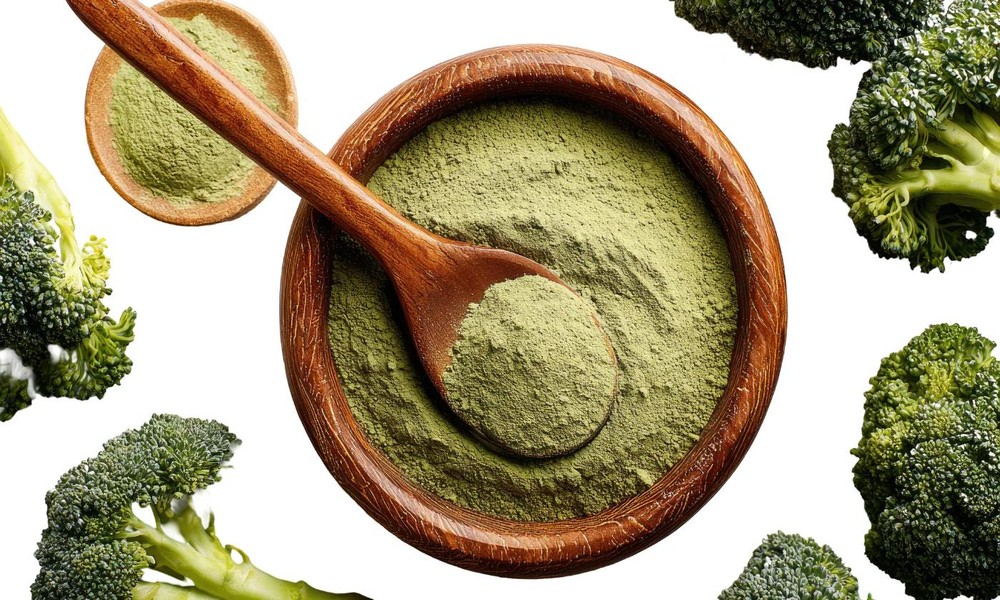
Industrial dryers play a vital role in the organic food industry, enabling producers to preserve food safely, extend shelf life, and maintain product quality without relying on synthetic preservatives.
As demand for organic foods continues to grow – driven by consumer interest in healthy, natural, minimally processed products – the need for efficient, gentle drying technologies has become increasingly important.
Why Drying Matters in Organic Food
Drying is one of the oldest methods of food preservation. Dryers remove moisture, preventing microbial growth and biochemical spoilage, which helps preserve both the quality and safety of food. For organic foods – which are subject to strict standards prohibiting synthetic additives – drying is often essential. Organic products such as fruits, vegetables, herbs, spices, and plant-based ingredients are commonly dried to extend shelf life, reduce weight for transportation, and enhance convenience for consumers.
However, drying organic foods is challenging. Producers must ensure that the process preserves nutritional value, flavor, color, and texture without compromising organic certification standards. Traditional methods such as sun drying are still used in some regions, but industrial dryer equipment offers far greater control, consistency, and scalability for commercial production.
Common Types of Industrial Dryers
There are several types of industrial dryers used in the organic food industry, each suited to particular products and processing goals:
1. Tray Dryers
Tray dryers are widely used in small to medium-scale organic food processing. These dryers consist of stacked trays where food is spread out evenly. Warm air circulates through the chamber, gradually removing moisture. Tray dryers are appreciated for their simplicity, ease of operation, and the ability to handle delicate products such as herbs and thin fruit slices without causing damage.
2. Fluidized Bed Dryers
Fluidized bed dryers are ideal for particulate products like grains, seeds, and some small vegetable pieces. In these systems, warm air passes through a perforated plate beneath the material, lifting and suspending it to create a “fluidized” state. This enhances heat and mass transfer, leading to faster and more uniform drying. However, careful control is needed to prevent abrasion of sensitive organic ingredients.
3. Spray Dryers
Spray drying is commonly used for liquid and semi-liquid organic products, such as fruit juices, dairy alternatives, and plant-based protein extracts. The liquid feed is dispersed into fine droplets and subjected to hot air, rapidly evaporating the moisture and resulting in a uniform, free-flowing powder. Spray dryers excel in producing consistent, shelf-stable powders, though they require higher energy input and sophisticated control systems.
4. Freeze Dryers
Freeze dryers are among the gentlest industrial dryers, ideal for high-value organic products like berries, coffee, herbs, and specialty botanicals. Freeze drying involves freezing the product and then applying a vacuum, allowing ice to sublimate directly from solid to vapor. This technique retains the product’s structure, flavor, and nutrients far more effectively than traditional heat drying, though it is more expensive and time-consuming.
Benefits of Industrial Dryers for Organic Foods
Industrial dryers bring several important benefits to organic food producers:
- Preservation of Nutrients and Flavor: Modern dryers can be controlled precisely to minimize heat stress, retaining vitamins, minerals, and natural flavors.
- Extended Shelf Life: By reducing moisture content, dried organic foods resist spoilage, enabling longer storage and distribution.
- Reduced Transportation Costs: Dried products weigh less and take up less space, lowering logistics expenses and carbon footprint.
- Enhanced Product Diversity: Industrial drying opens avenues for a wide array of products – from dried fruit snacks to herbal teas and savory seasonings.
- Compliance with Organic Standards: Drying technologies can be managed without synthetic preservatives, aligning with organic certification requirements.
Challenges and Considerations
Despite their advantages, industrial dryers also pose challenges for organic food producers:
- Initial Investment: High-quality industrial dryers – especially freeze and spray dryers – represent significant capital expenditure.
- Energy Consumption: Thermal drying processes can be energy-intensive, prompting producers to seek energy-efficient systems or renewable energy sources.
- Product Sensitivity: Organic foods often have delicate structures, requiring tailored drying protocols to avoid physical and chemical degradation.
- Quality Control: Maintaining consistent product quality across batches demands careful monitoring of temperature, airflow, and humidity throughout the drying process.
The Future of Drying in the Organic Sector
Growing consumer demand for organic foods continues to drive innovation in drying technologies. Emerging solutions such as vacuum microwave drying, hybrid solar-thermal dryers, and advanced control systems offer improved energy efficiency and product quality.
Sustainability is also a key focus area – manufacturers are exploring heat recovery systems, renewable energy integration, and optimized airflow designs to reduce environmental impact.