

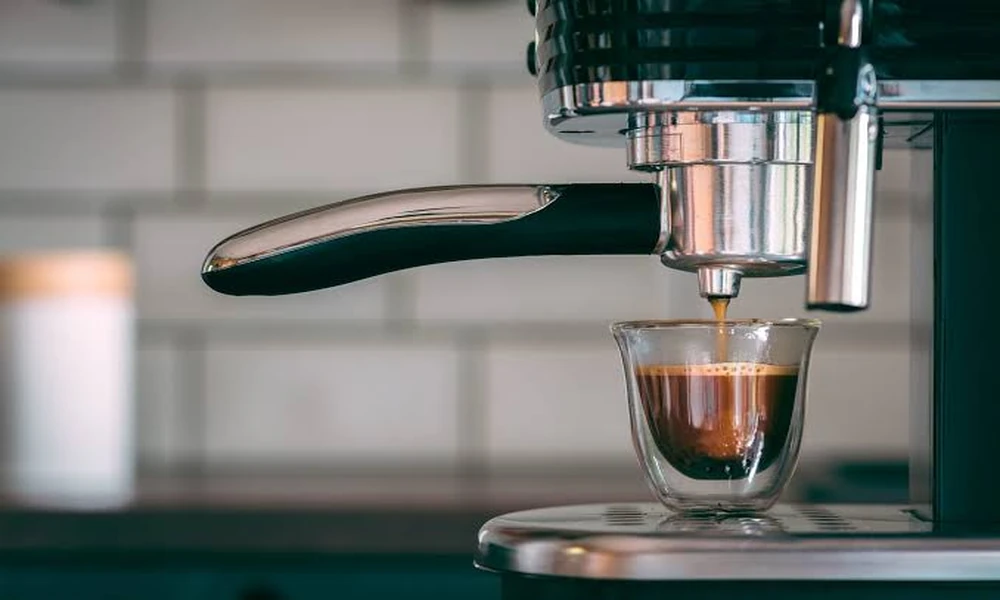
Buying equipment for a business usually starts with a catalogue and ends with the model that looked most impressive in the showroom. With coffee, that approach tends to produce either a temperamental machine that staff cannot operate or a basic unit that buckles under real demand. A better starting point is to describe the job the machine must do every day. Once that is clear, choosing a commercial coffee machine becomes a matter of matching duty cycle, skill level and service support to the setting it will work in.
Define the Duty Cycle First
Duty cycle means how many drinks the machine must make per day and how concentrated those drinks are in time. A showroom serving occasional visitors has a light, scattered load. An office pantry faces a steep morning peak. A café or hotel breakfast service can demand hundreds of cups within a few hours. Manufacturers rate machines for daily output, and choosing one that runs comfortably below its limit extends its working life considerably.
Who Will Operate It
Traditional espresso machines reward skilled baristas who can grind, dose, tamp and steam milk by hand. In an office, a dealership lounge or a clinic waiting area, nobody has that training, and inconsistent drinks follow. Fully automatic machines handle the whole sequence at a button press, trading some control for reliability. Be honest about who will stand in front of the machine on a busy morning, because that single fact eliminates half the options.
The Main Machine Types
Traditional espresso machines suit cafés and hospitality settings with trained staff. Bean-to-cup automatics suit offices, hotels with self-service stations and retail lounges. Batch filter brewers suit meetings, events and canteens where volume matters more than variety. Capsule systems fit very small teams or executive suites. Each type carries different running costs, cleaning demands and footprint, so the shortlist should come from the setting rather than from preference for a brand or a particular look.
Boilers, Thermoblocks and Recovery Time
Inside the machine, water is heated either in a boiler or in a thermoblock that heats on demand. Boilers hold a reserve of hot water and steam, recovering well between drinks under heavy use. Thermoblocks heat up quickly and use less standby energy but can slow down during rapid consecutive orders. A useful guide to choosing an office coffee machine will explain recovery time in plain terms, since it decides whether the fifth drink in a queue tastes as good as the first.
Milk Handling and Drink Range
If most customers or staff want milk-based drinks, the milk system deserves as much scrutiny as the coffee path. Automatic frothers vary widely in texture, temperature control and how easily they clean. Some machines use a refrigerated milk unit, which is safer in a warm climate and keeps milk fresh through the day. Check that the drink menu can be customised, so strength, size and sweetness can be adjusted for local tastes.
Plumbing and Water Quality
Commercial machines that run all day are usually plumbed directly into the mains, with a drain for waste water. That removes refilling and allows continuous output, but it requires a suitable water point and sometimes minor works. A water filter protects boilers and valves from scale and improves taste. Factor installation into both budget and timeline, especially in leased premises where landlord approval may be needed before pipes are run.
Service, Parts and Downtime
For a business that sells coffee, every hour of downtime is lost revenue; for an office, it is lost goodwill. Ask about technician availability, guaranteed response times, preventive maintenance visits and the availability of spare parts locally. A supplier that can provide a standby unit during major repairs is worth a premium. Contracts should state clearly what is covered, what counts as misuse and how consumables are priced over time.
Total Cost of Ownership
The purchase price is often the smallest part of the cost over five years. Add beans, milk, filters, cleaning products, electricity, servicing and eventual parts replacement, then divide by expected output to find cost per cup. Comparing machines on that basis frequently reverses the order suggested by sticker prices. Leasing can make premium equipment affordable, but compare the total paid over the term against outright purchase with a separate service plan.
Space, Power and Presentation
Measure the counter, check that the electrical supply can carry the load and allow space for grinders, milk fridges and cup storage. In customer-facing settings, appearance matters too: the machine becomes part of the reception or service area and should suit it. Noise is worth checking in open offices and quiet waiting rooms. A short site survey by the supplier before purchase avoids awkward surprises on installation day.
Bringing the Choice Together
List your daily volume, peak pattern, operator skill, drink menu and available space, and use that list to narrow the field to two or three machines. Compare cost per cup, service commitments and installation needs side by side. Where possible, test the shortlisted models with real users before committing. For workplaces in particular, seeing how a coffee machine for office use in Singapore performs during an actual morning peak is the clearest test of whether it fits.