

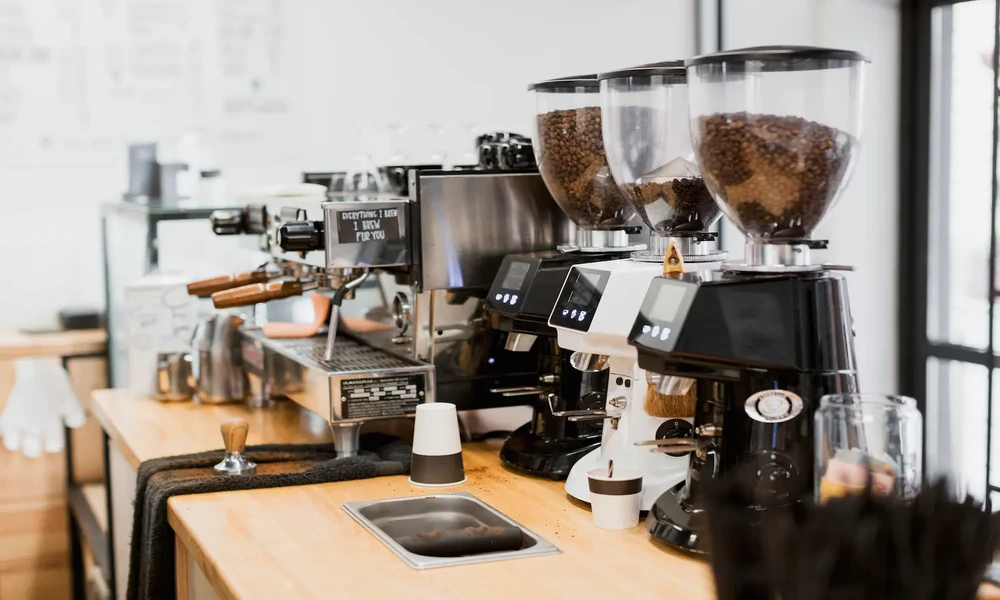
Singapore grows no coffee and roasts a great deal of it, which makes this an unusually good market for anyone buying beans. Green coffee arrives here from every producing region, and a dense population of roasters turns it over quickly enough that freshness is rarely the constraint it is elsewhere in the region. The practical question is not whether the specialty coffee beans singapore buyers want can be found, but which channel suits the volume you actually get through and how to judge what you are being sold.
Local Roasters Are the Primary Channel
Buying directly from a roaster is the shortest route between the green coffee and your grinder, and it is where the useful information lives. A roaster can tell you the harvest year, the processing method and when the lot was roasted. Most operate a retail arm alongside their wholesale business and will roast to order for regular customers. The trade-off is range, since any single roaster carries what they chose to buy that season.
Cafes That Sell Retail Bags
Many cafes retail the beans they brew, either their own roast or their supplier’s, and this is the only channel where you can taste the coffee prepared properly before buying a bag of it. Order the filter rather than a milk drink, since milk hides a great deal, and ask what the origin and process are. Prices tend to be the highest of any channel, so this suits sampling more than restocking.
Wholesale and Office Supply
Businesses buying continuously are better served by a wholesale account than by retail bags. The arrangement usually involves larger pack sizes, a scheduled delivery cycle and a price that reflects committed volume, and providers of office coffee bean supply frequently bundle beans with equipment servicing under one agreement. This is the sensible structure for any office going through more than a few kilograms a month, and it removes the recurring administrative task of someone remembering to reorder before the tin runs out.
Online Ordering and Subscriptions
Nearly every roaster here sells online, and subscriptions are common. The model works well when consumption is predictable, because the beans are roasted close to dispatch and arrive within a day or two rather than sitting in a warehouse. Where it goes wrong is when the cadence is set optimistically and bags accumulate faster than they are drunk. Set the interval from measured consumption over a month rather than from an estimate, and choose a provider that lets you pause or adjust it without a phone call.
Supermarkets and What to Check
Supermarket shelves here carry a widening range, including local roasters’ bags alongside imported labels, and some of it is genuinely specialty. The check is straightforward. Look for a roast date rather than a best-before date, and look for origin information more specific than a country name. If a bag names a region, a process and a roast date within the last month, it is worth buying. If it names a mountain range in a large typeface and nothing else, it is commodity coffee with a marketing budget.
Importing Directly Usually Disappoints
Ordering roasted beans from overseas roasters is possible and generally not worth it for the quantities most buyers need. International shipping adds a week or more to coffee that is at its best within a month of roasting, the freight cost on a small parcel is disproportionate, and GST applies on arrival. Given how much good roasting happens here, direct import makes sense only for a specific lot that genuinely is not available locally, and then only if it can move quickly.
Storage in This Climate
Ambient humidity here sits high all year, and coffee is hygroscopic. Beans left in an opened bag on a pantry counter take on moisture, lose their aromatics and go flat considerably faster than the same bag would in a temperate climate. Keep them in an airtight container with a one-way valve, away from heat and direct light, and do not decant a month’s supply into a hopper. Refrigeration is a mistake, since every time the container comes out, condensation forms on the beans.
Matching Roast Level to Your Equipment
Light roasts are denser and harder to extract, and they demand a capable grinder, stable brew temperature and someone willing to adjust the grind. On a machine that cannot deliver those things, a light-roasted coffee tastes thin and sour and the money is wasted. Medium roasts are more tolerant and are usually the right answer for a shared office machine. Be honest about the equipment and the level of attention available before choosing beans that require both.
Buying Volume Sensibly
Work out weekly consumption before setting an order size. A double shot uses roughly eighteen to twenty grams, so a kilogram is around fifty drinks, and an office pulling sixty cups a day is moving through more than a kilogram daily. Order in quantities that clear within three to four weeks of the roast date, even where a larger pack carries a better unit price. Coffee bought cheaply and drunk stale costs more per acceptable cup than a smaller bag at full price.
Deciding Where to Buy
For a household or a small team, a local roaster’s retail bags or a subscription sized to actual use will cover it. For an office of any scale, a wholesale account with scheduled delivery is simpler and cheaper, and worth arranging alongside whoever services the machine. In either case, ask for samples before committing to a standing order. Any supplier of specialty coffee beans singapore offices order regularly will expect the question, and how they answer it tells you most of what you need to know.